Um, basically your deck kind of explains the business. And your delivery, like, closes the round, I guess.
Your deck explains the business. Your delivery closes the round.
Rehearse a wedding, retirement, birthday, or dinner toast in your browser. Record a short take, review the transcript, pace, and filler words, then decide what to keep for the next version.
By continuing, you are 16+ and agree to our Terms and Privacy Policy.

“Impressive and useful.”
Matt Abrahams
Lecturer, Stanford GSB · Host, Think Fast Talk Smart
See their analysis
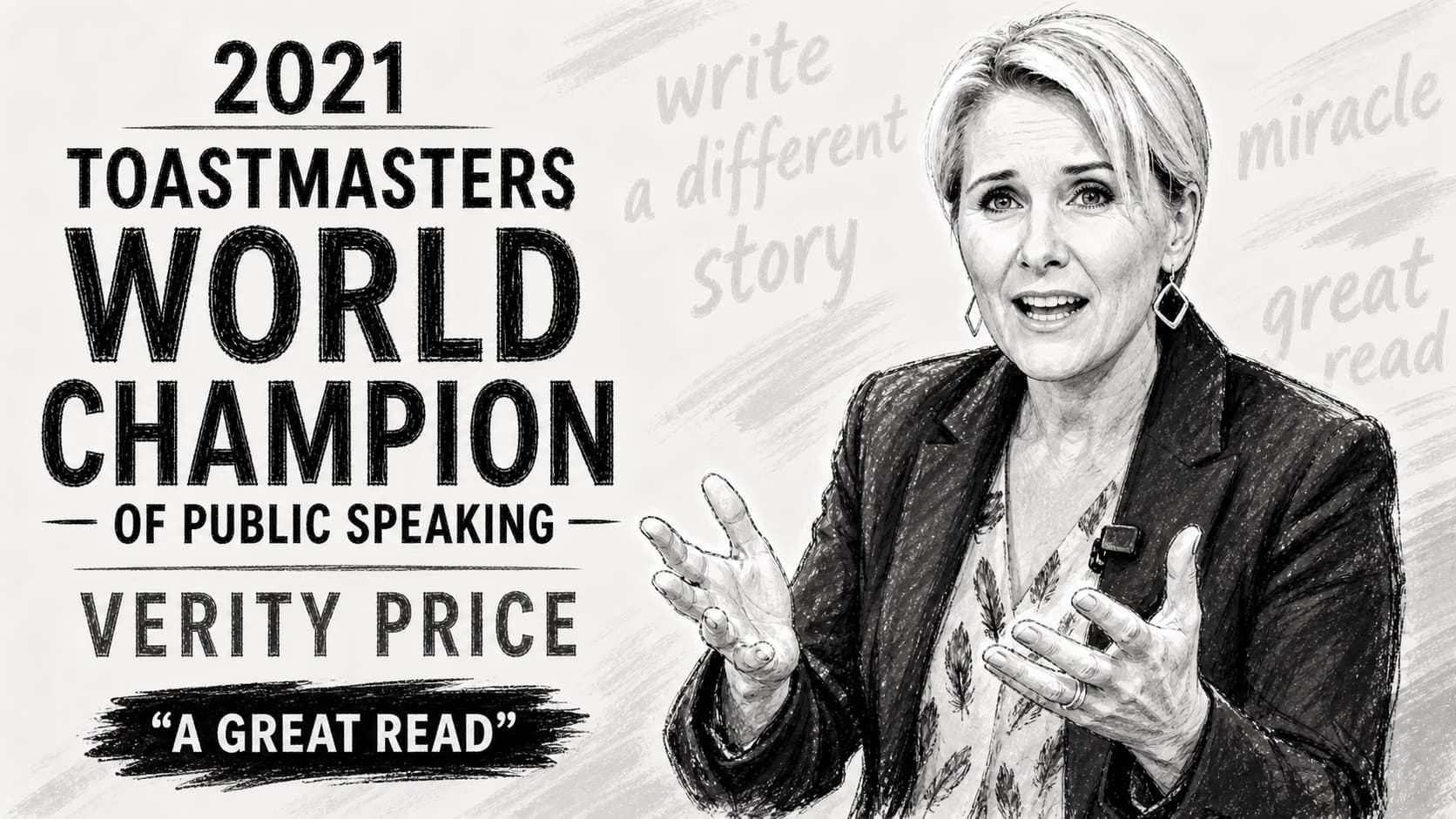
“I am so impressed with how much value this can give to people who want to level up their speaking and receive valuable feedback!”
Verity Price
2021 World Champion of Public Speaking
See their analysis
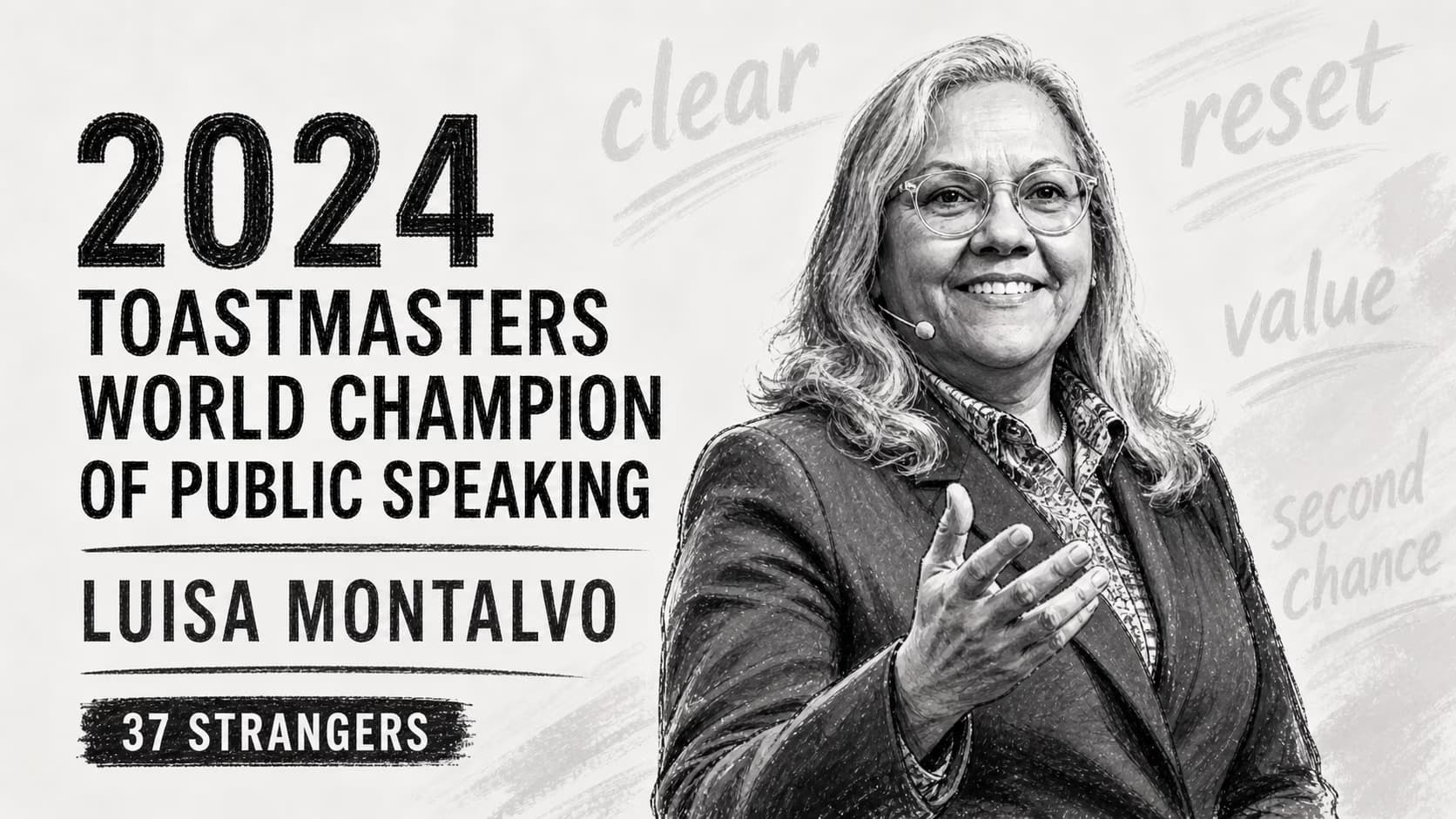
“I loved it and learned a lot!”
Luisa Montalvo
2024 World Champion of Public Speaking, Toastmasters
See their analysisSo, basically, a brilliant message kind of dies if you, like, can't hold the room, you know.
A brilliant message dies if you can't hold the room.
The feedback
Every filler word, weak word, and repetition gets flagged. See where your speech lands, and let the tool tighten the parts that ramble. Toggle the layers, or switch to the clean rewrite.
Start with a 60-second take. Review the transcript, timing, pace, and filler words, then make one clear change before recording it again.
A simple structure is one short story, what it says about the person, and a clear invitation to raise the glass. The transcript helps you spot extra context that delays the close.
Answer a prompt about the person out loud and use the transcript as a rough first draft. The recorder is free to start and works in a phone or desktop browser.
See it in action
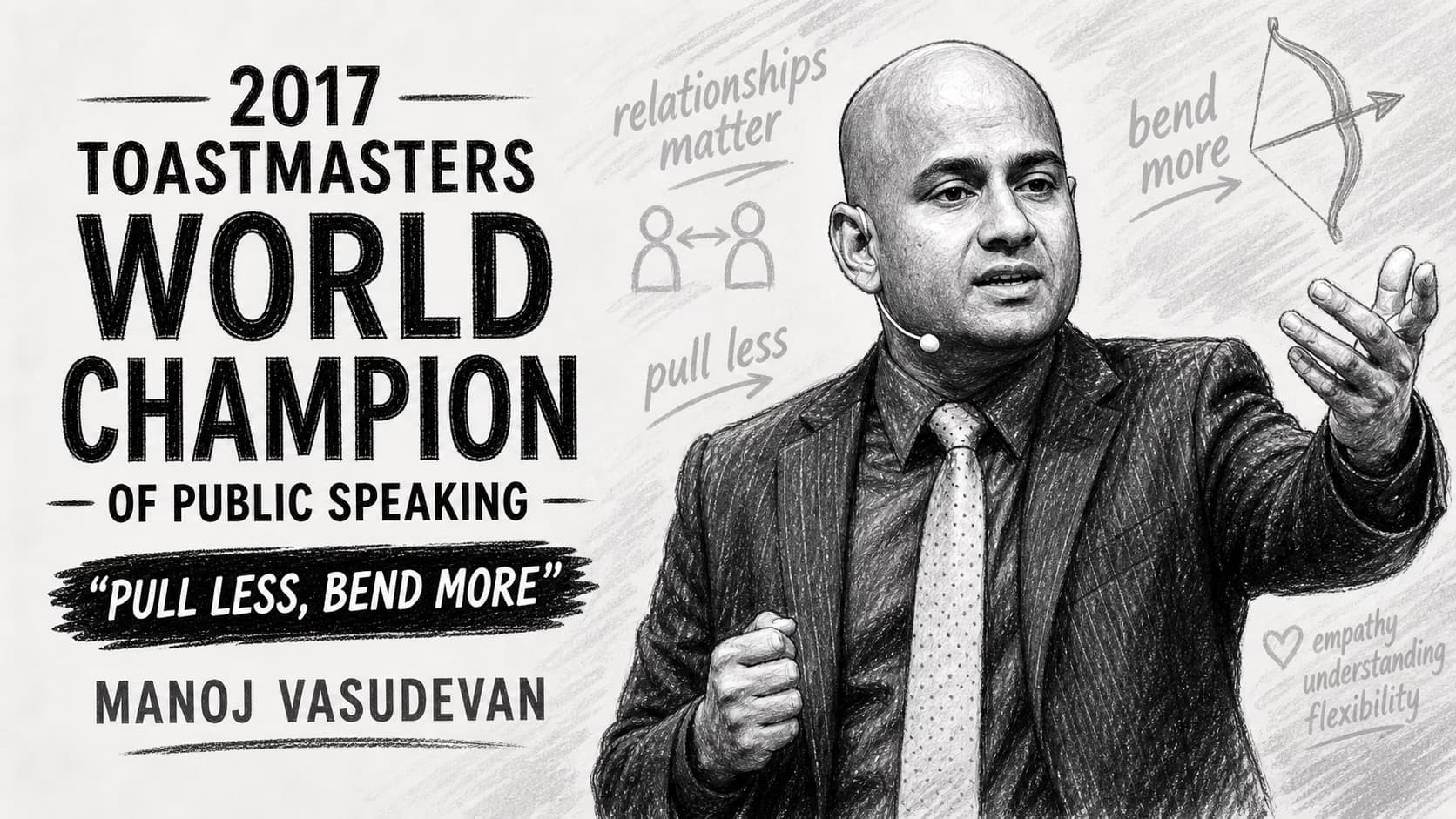
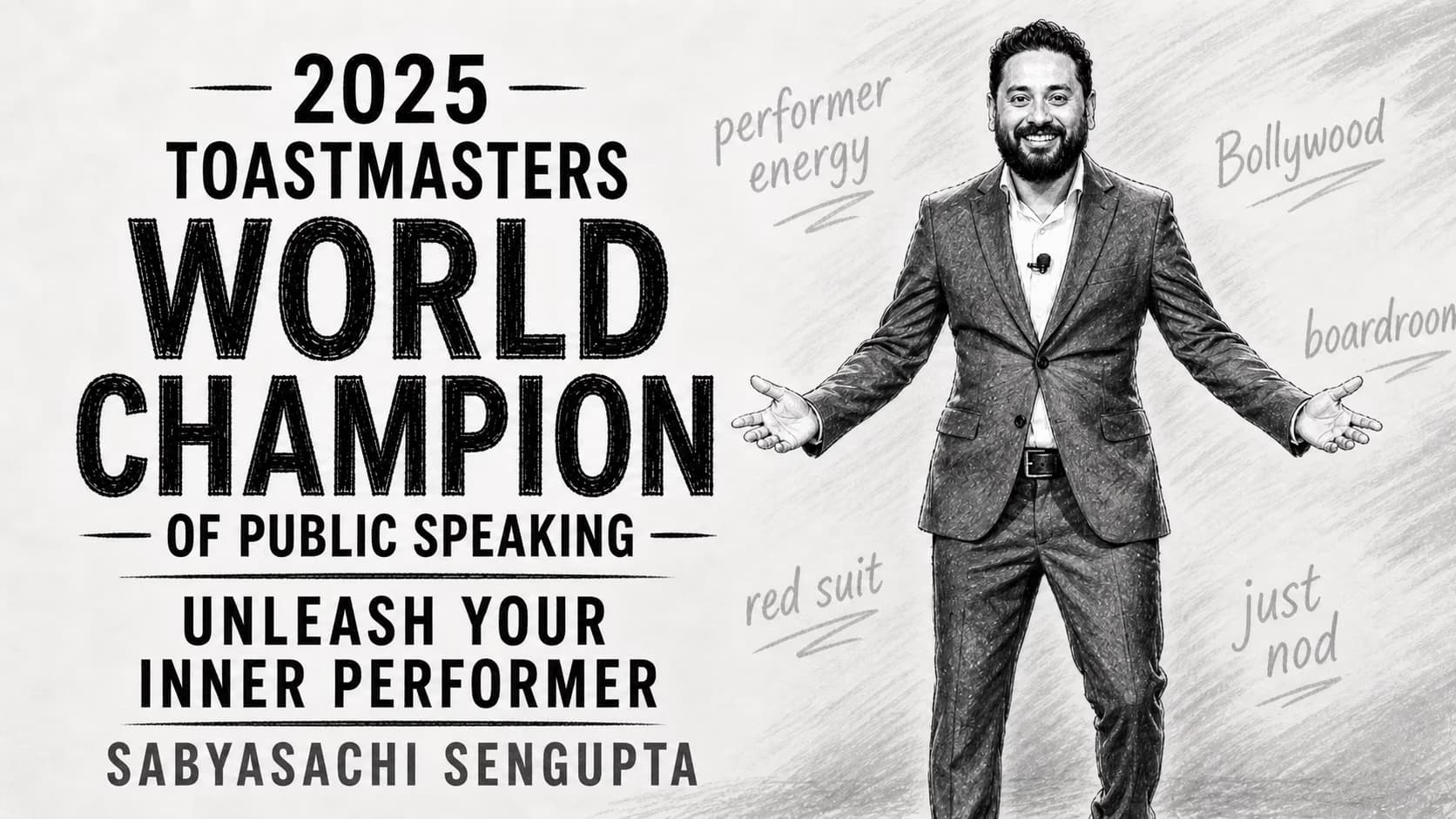
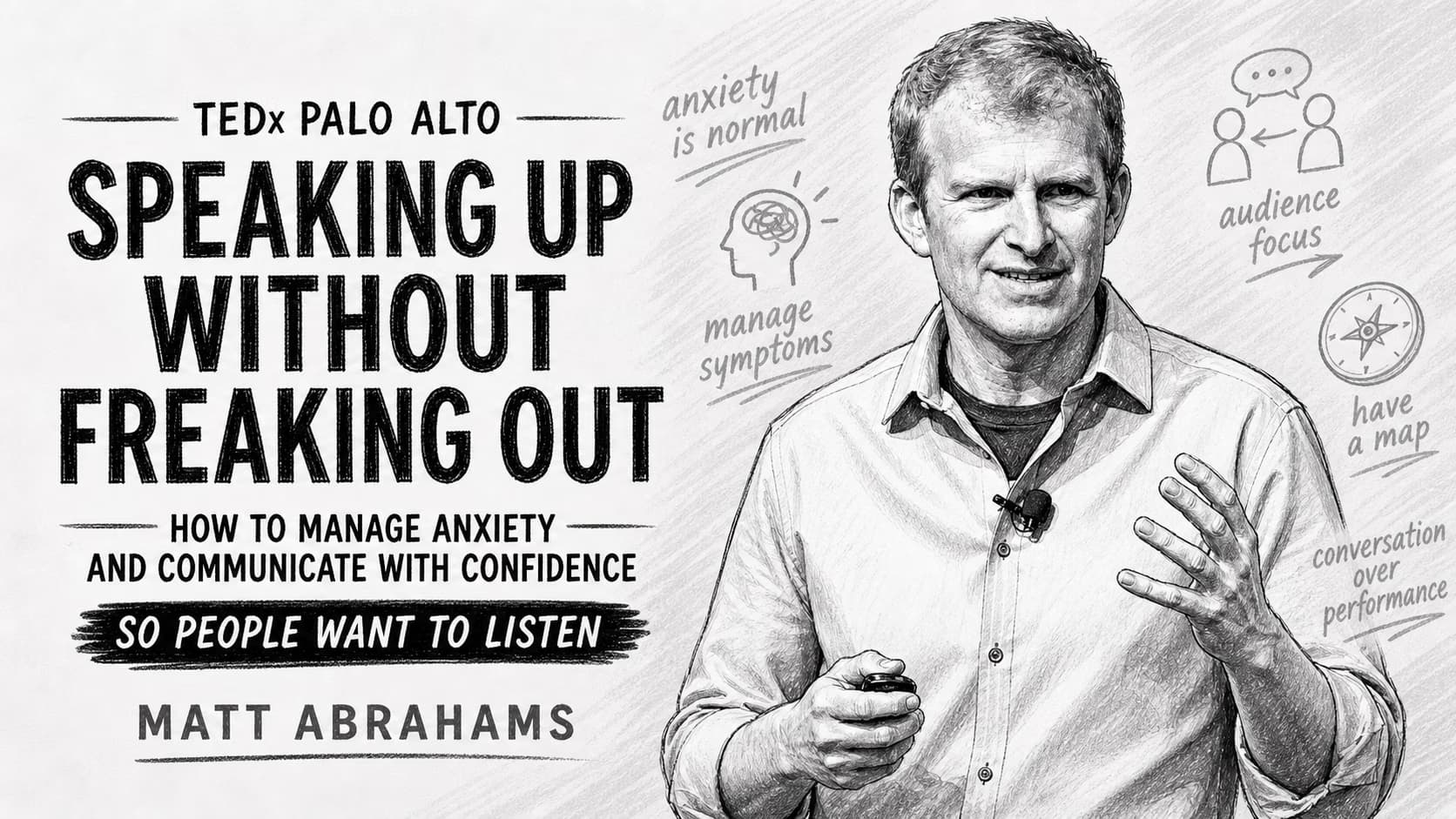
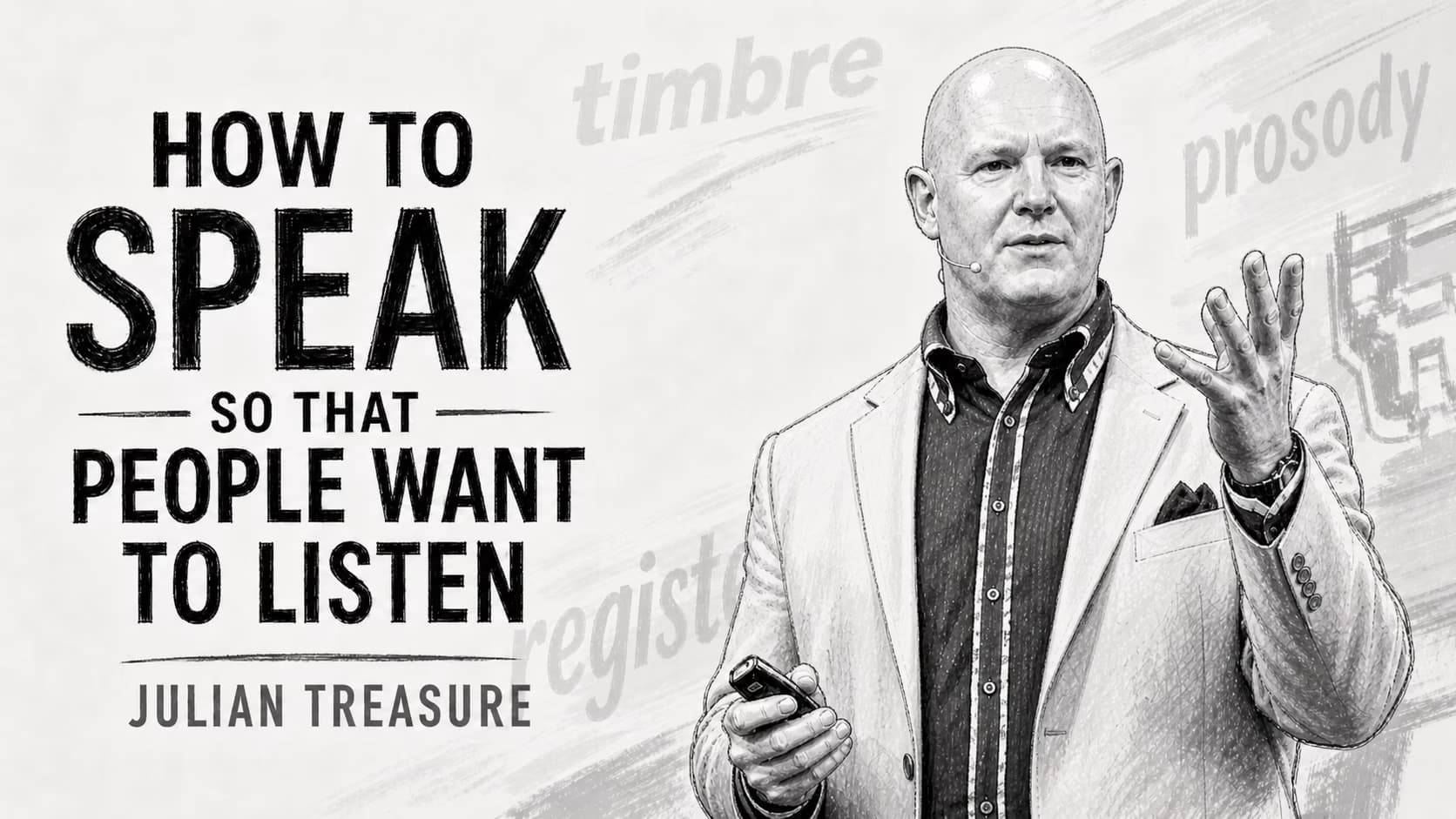
Every speech in the library runs through the same analysis your practice gets. Open one to see structure, pacing, and rhetoric.
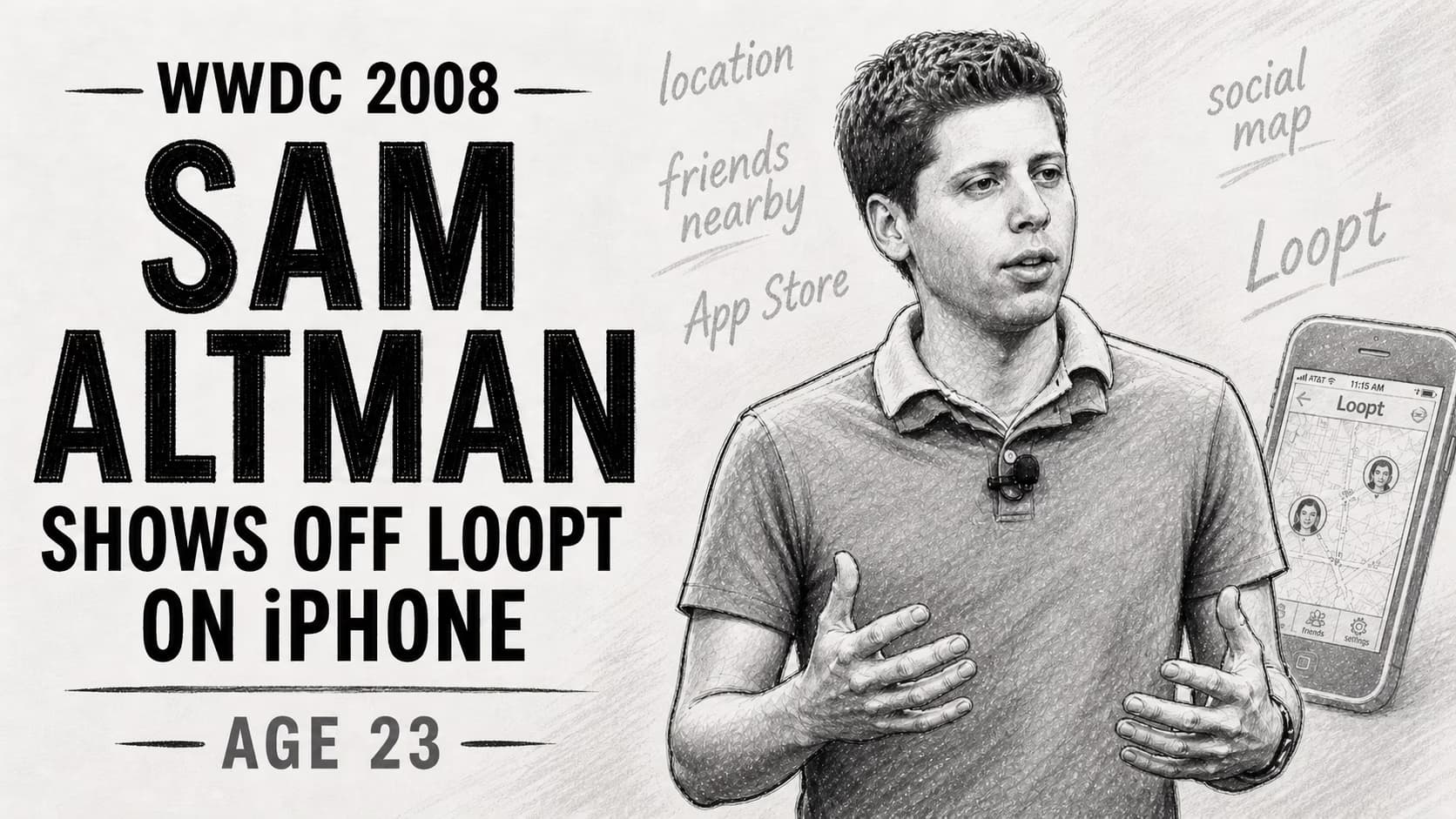
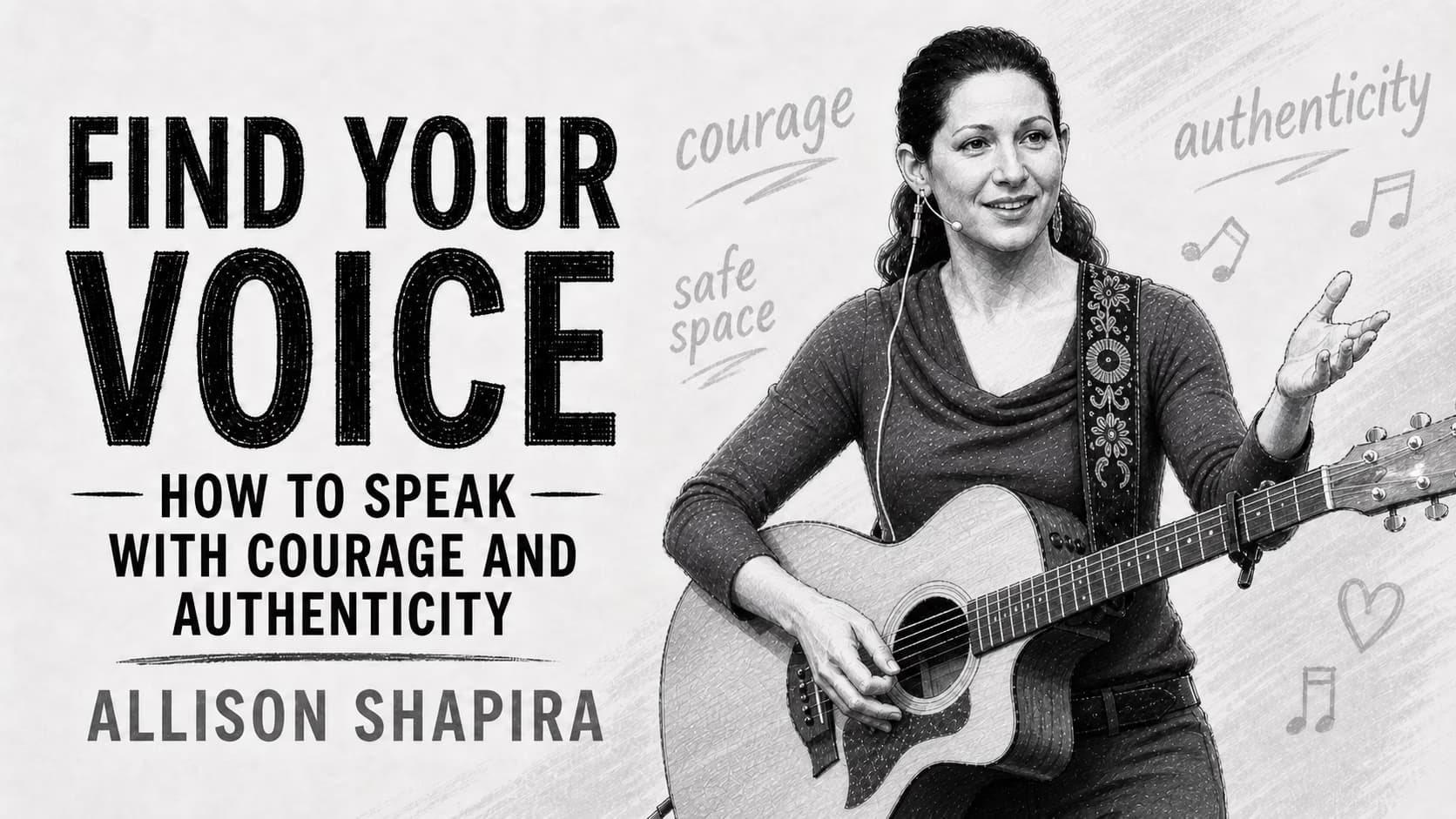
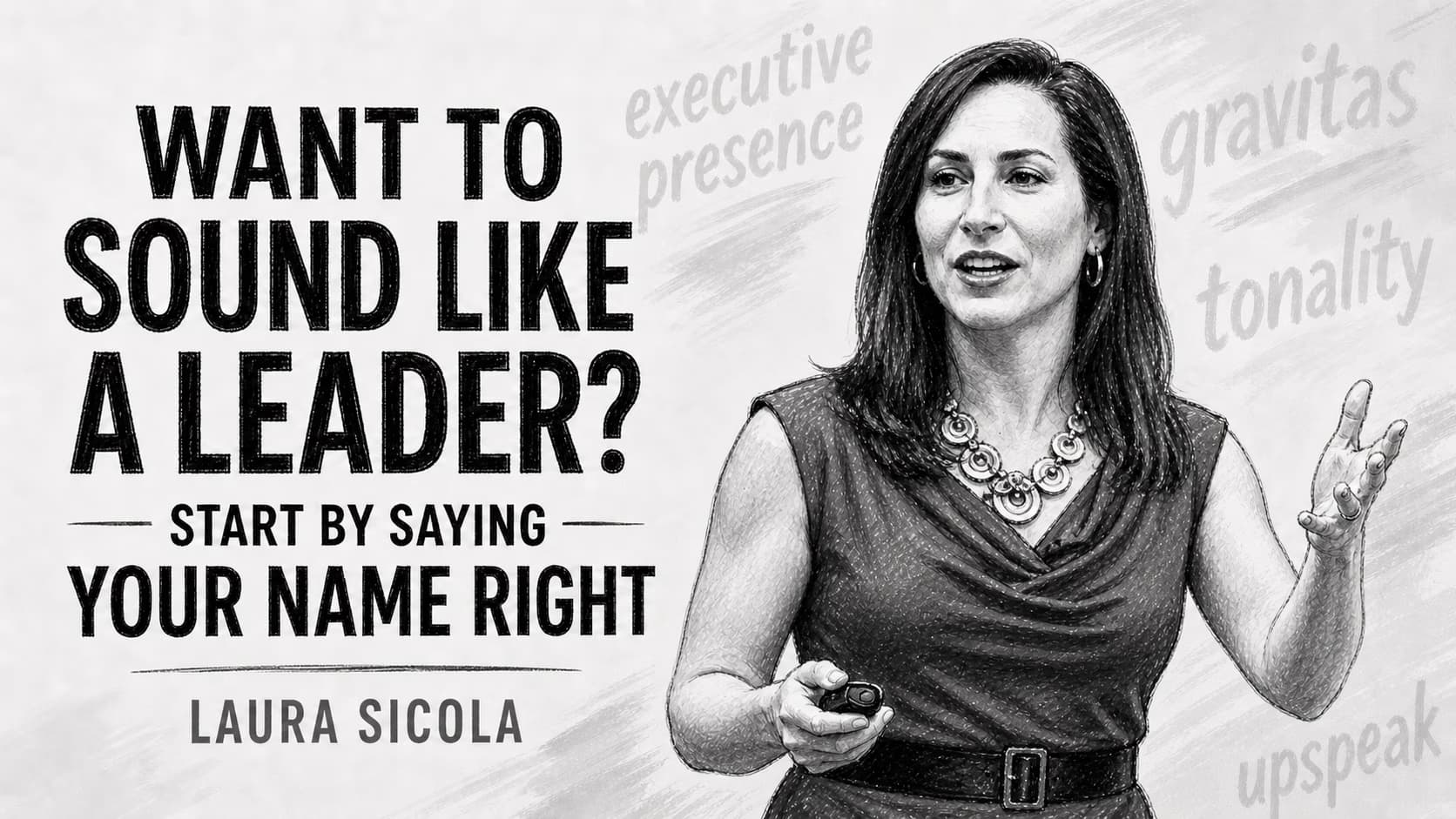
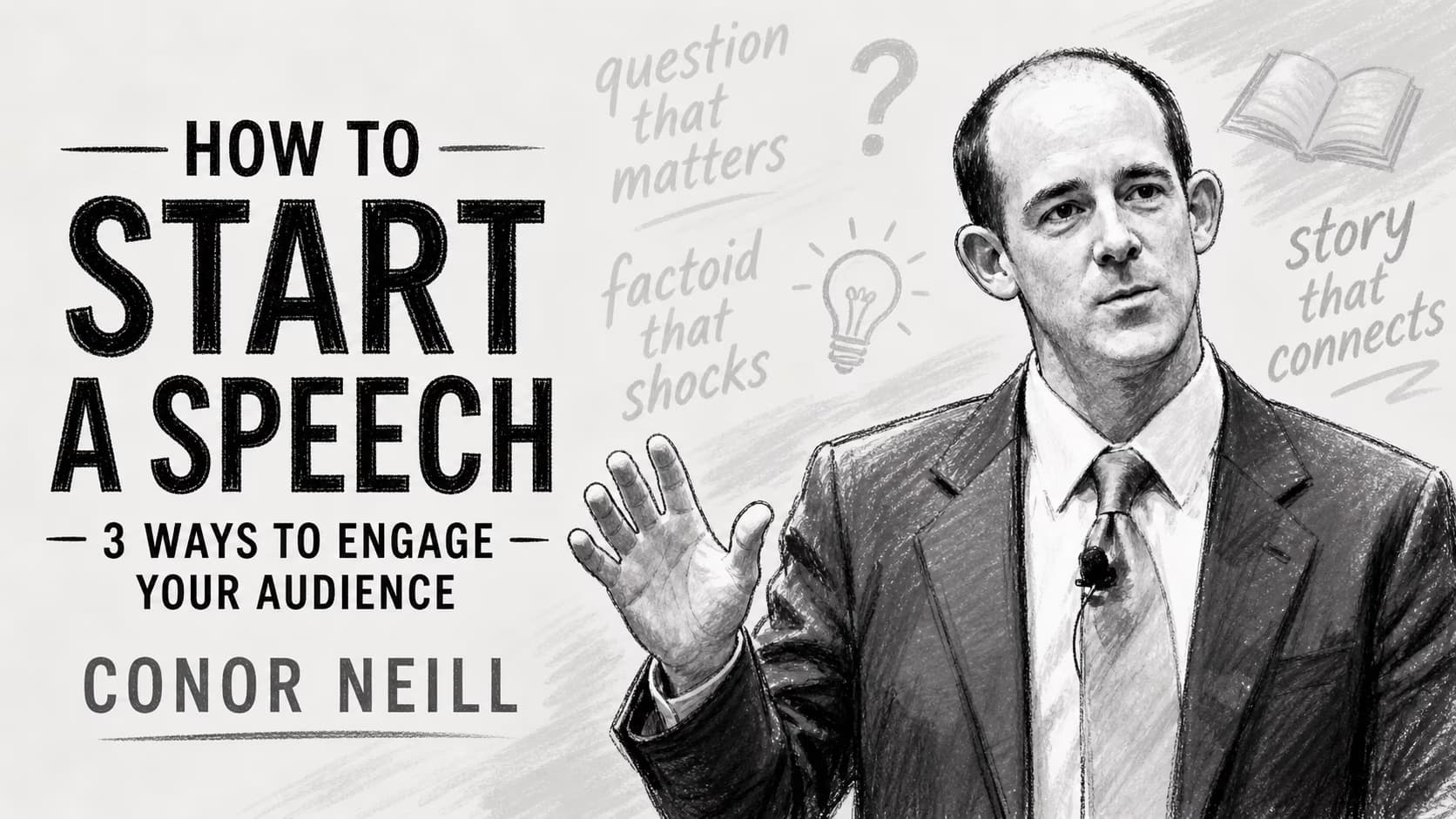
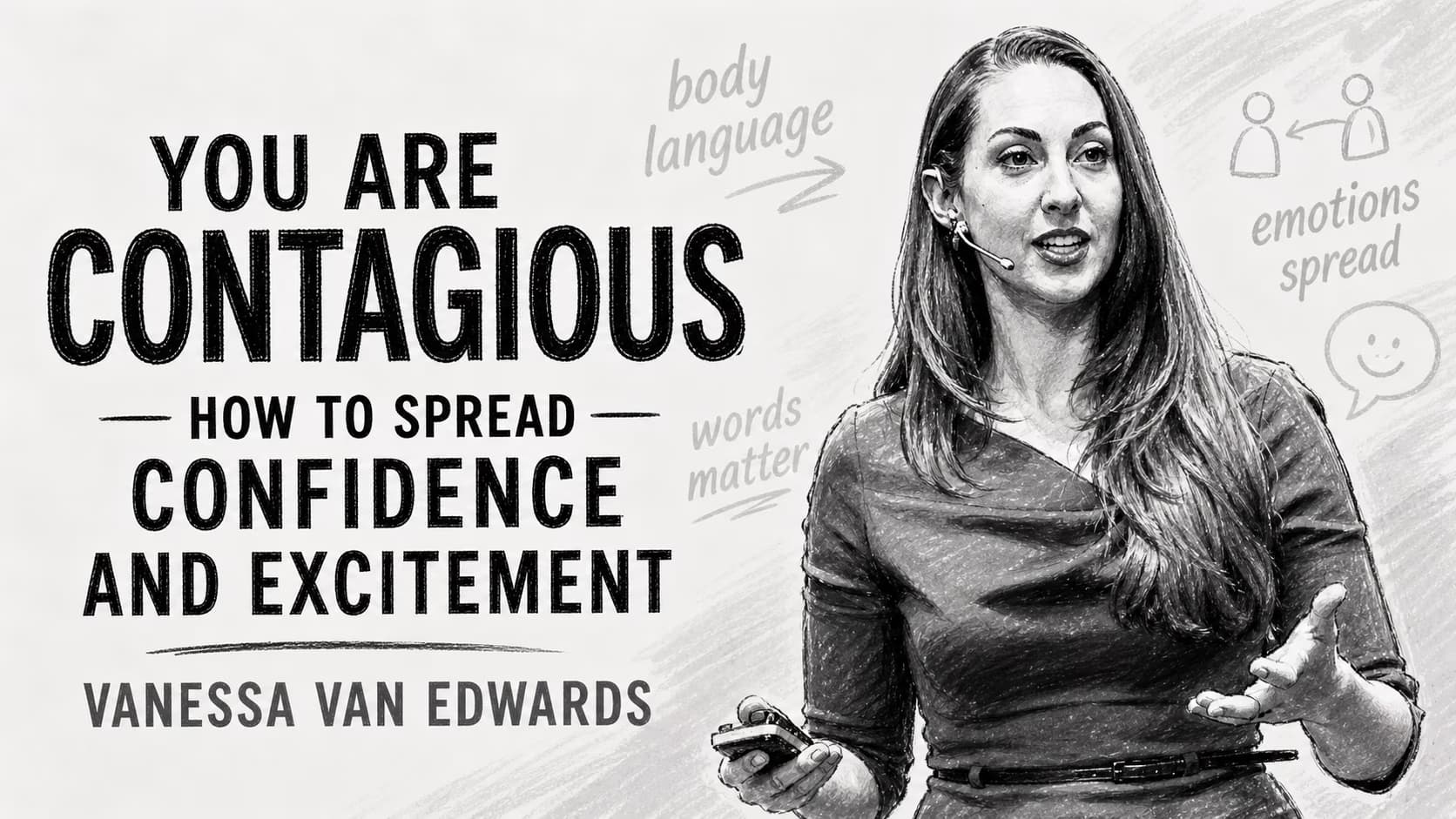
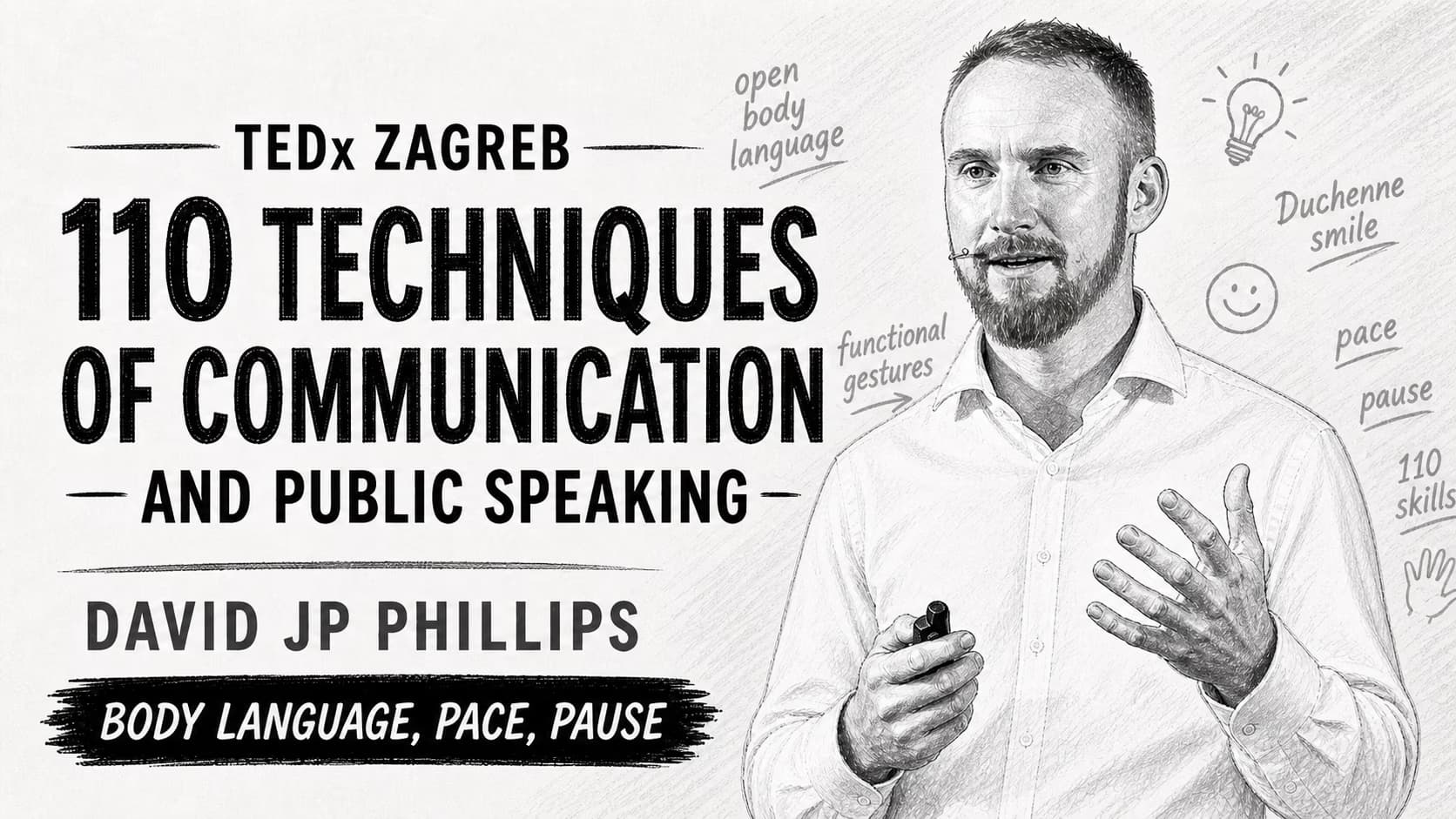
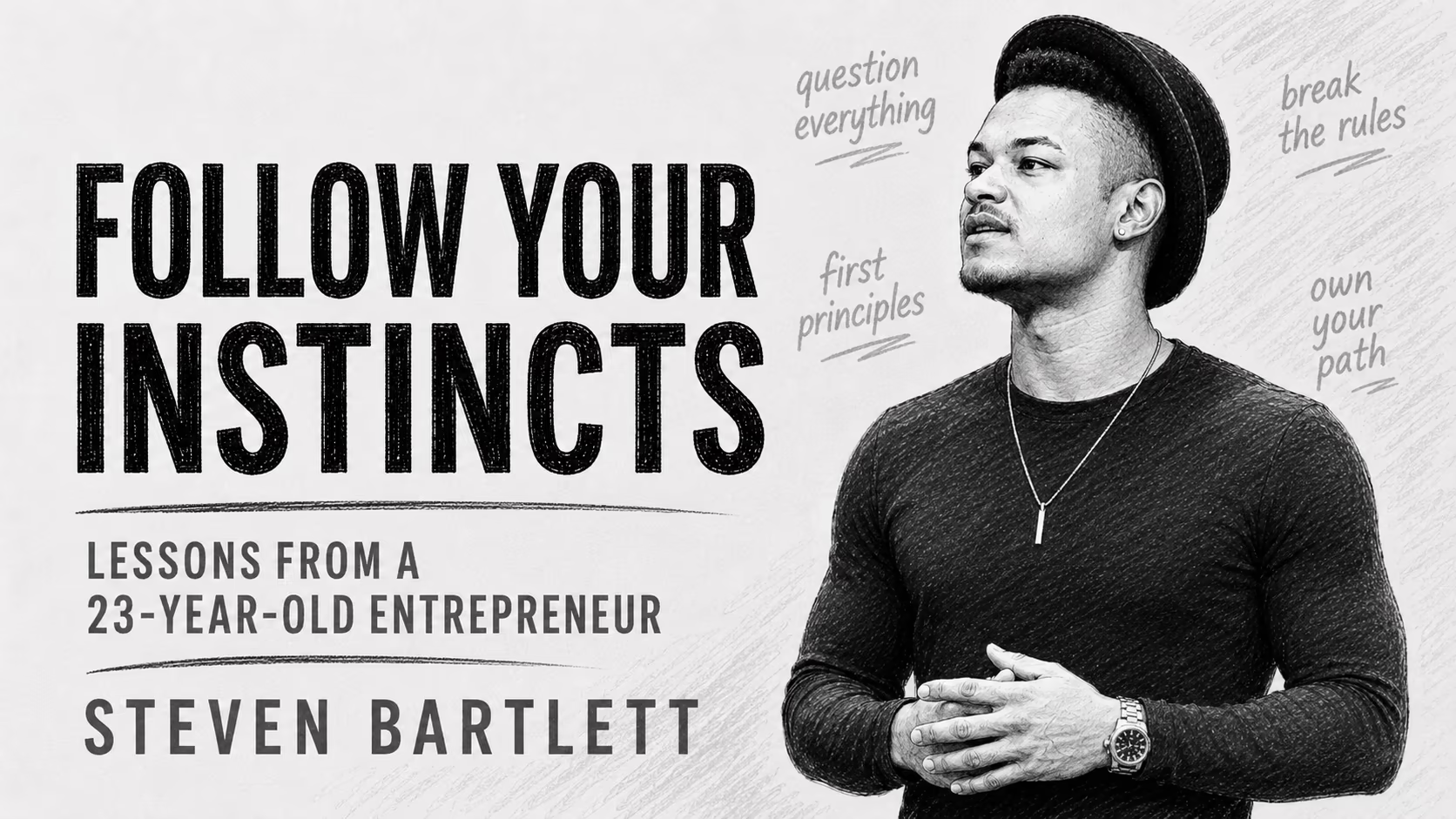
Independent analyses of publicly available talks. Featured speakers are not affiliated with or endorsed by speaking.app.

“Someone in the group said: 'Wow, your opening was so good.' I said, 'I got it from the speaking app.'”
Lynda Wilkes-Green
Founder, Ahlya
“Impressive and useful.”

Matt Abrahams
Lecturer, Stanford GSB · Think Fast Talk Smart
“speaking.app helped me condense the way I speak and get the valuable information out.”

Eoin Quirke
Founder, TRACE Teams
“It was the least nervous I've ever felt pitching, despite it probably being the biggest audience I've pitched to. The constructive feedback I received helped me practise properly and know my pitch better than ever.”

Dan Goggin
Founder, LogUp
“It helped me turn a rough, jargon-heavy pitch into something much clearer and more compelling.”

Charlie Ward
Founder, Pay Path IQ
“speaking.app was incredibly helpful while I was preparing pitches for my business. It is a great tool for anyone looking to improve their communication skills or practise for presentations, interviews, or public speaking.”

Mohammed Shoaib Malik
CEO & Co-founder, Locanter
“I think the app is fantastic and we should have used it sooner.”

Robert Bordianu
Founder, IDV Exchange
“I am so impressed with how much value this can give to people who want to level up their speaking and receive valuable feedback!”

Verity Price
2021 World Champion of Public Speaking
“The rewritten version and the filler-word feedback were huge, they showed me exactly where I was using filler words and helped me cut them.”
Eoin Quirke
Founder, TRACE Teams
“I've pitched many times before, but speaking.app took my pitch to the next level. I felt more confident and polished on the day.”

Paul Murnane
Founder, DocuSmart AI
“The detail it went into was particularly impressive, with the WPM and Vocal Expression analysis.”
Mohammed Shoaib Malik
CEO & Co-founder, Locanter
“For the subscription fee, it was totally worth it.”
Charlie Ward
Founder, Pay Path IQ
“It did exactly what I needed for the showcase. I'd come back to it for another event and would refer other founders to it.”
Eoin Quirke
Founder, TRACE Teams
“The hard 3-min stop was annoying at first but such a good setup for me to cut excess out.”
Robert Bordianu
Founder, IDV Exchange
“I loved it and learned a lot!”

Luisa Montalvo
2024 World Champion of Public Speaking
“Off the back of how the pitch went, I was introduced to an investor, and I genuinely think that outcome was a direct result of the improvements I made through speaking.app.”
Charlie Ward
Founder, Pay Path IQ
“In the early stages I was also using the recommended adjustments verbatim while I was building out the flesh of my pitch, as I found them to be quite high quality.”
Mohammed Shoaib Malik
CEO & Co-founder, Locanter
The right length depends on the event and what the host expects. If no guidance was given, start with a short version built around one story, what it says about the person, and a clear close. Record it to learn the actual speaking time.
Yes. Even one recorded run can show whether the toast is longer than expected or difficult to say naturally. Review it, revise the words that caused trouble, and record another take if you have time.
Yes. Free practice includes filler-word and pace feedback plus a transcript, with no credit card required. Full speech analysis, including more detailed delivery feedback and a rewrite, is part of Pro.
Record a short answer to a simple prompt: what is one story about this person that you want the room to hear? Use the transcript as a rough draft, then choose the details and closing you want to keep.
No. speaking.app runs in the browser on any phone or laptop, so you can practice in the hotel room or the kitchen the night before. Allow microphone access when the browser asks, and you are ready to record.
By continuing, you are 16+ and agree to our Terms and Privacy Policy.