
AI speaking tools, compared

speaking.app vs Poised

Rehearse the pitch, the interview answer, or the speech before the meeting, and fix what a live nudge cannot reach: the structure, the rhetoric, the answer itself.

See the full comparison
At a glance
speaking.app
Poised
Rewrites your answer into a framework
Yes
No
A practice mode before the real thing
Yes
None found
Live coaching inside real meetings
No
Yes
Eye contact and facial-expression feedback
No
Yes, on macOS

For interviews, keynotes, investor pitches, and speeches that matter

Made for high-stakes speaking

Where speaking.app is strongest

Poised coaches you during real meetings. speaking.app makes you better before the meeting starts.

Interview answers

Rehearse the questions you expect before the real interview, then get a rambling answer turned into a tight STAR, PREP, or SOAR structure with a clear result.

Startup pitch

Breaks your pitch into the parts investors look for: hook, problem, solution, market, traction, business model, team, and the ask, then shows which ones are working and which are thin.

Impromptu and thinking on your feet

Drill timed prompts so the unscripted moments in real meetings get easier: a clear point, a real structure, a clean finish.

Speeches and prepared talks

Record a run-through or upload one you already have, and get feedback on structure, rhetoric, pacing, pauses, and weak words before you are on stage.

When Poised is the better pick

  • Real-time coaching inside your actual Zoom, Meet, and Teams calls, overlaid so no one else can see it: feedback where the stakes are real, with zero prep time.
  • A review after every real meeting, with post-call summaries and trends over time, so improvement is measured on the calls that matter.
  • Signals a practice room cannot observe: interruptions, talk-time balance, and, on macOS, facial expressions and eye contact. Plus team views for sales managers.
Transcript
Highlights
Okay, so, um, this was, maybe two years ago, I think. I was running a product demo for a, a pretty big client, and about five minutes in, my laptop just freezes. Full spinning wheel, nothing. I remember standing there, and I had to just— I just kept talking, basically. I think I, I started describing what they would've seen if it had actually worked, which honestly felt insane in the moment. Um, afterwards one of their people said it was kind of impressive that I didn't just stop, which, I mean, I definitely wanted to. But I think what it taught me is it wasn't about the laptop. It wasn't about the slides. It was about staying in the room when something breaks.

Beyond the structure

What you say, and how you say it

It flags every filler word, weak word, and repetition, names the rhetoric that lands, and rewrites the rambling parts into a tighter structure.

Toggle any layer to see what it catches, or switch to the improved version to see the rewrite.

Real breakdowns

See it on pitches and speeches you already know

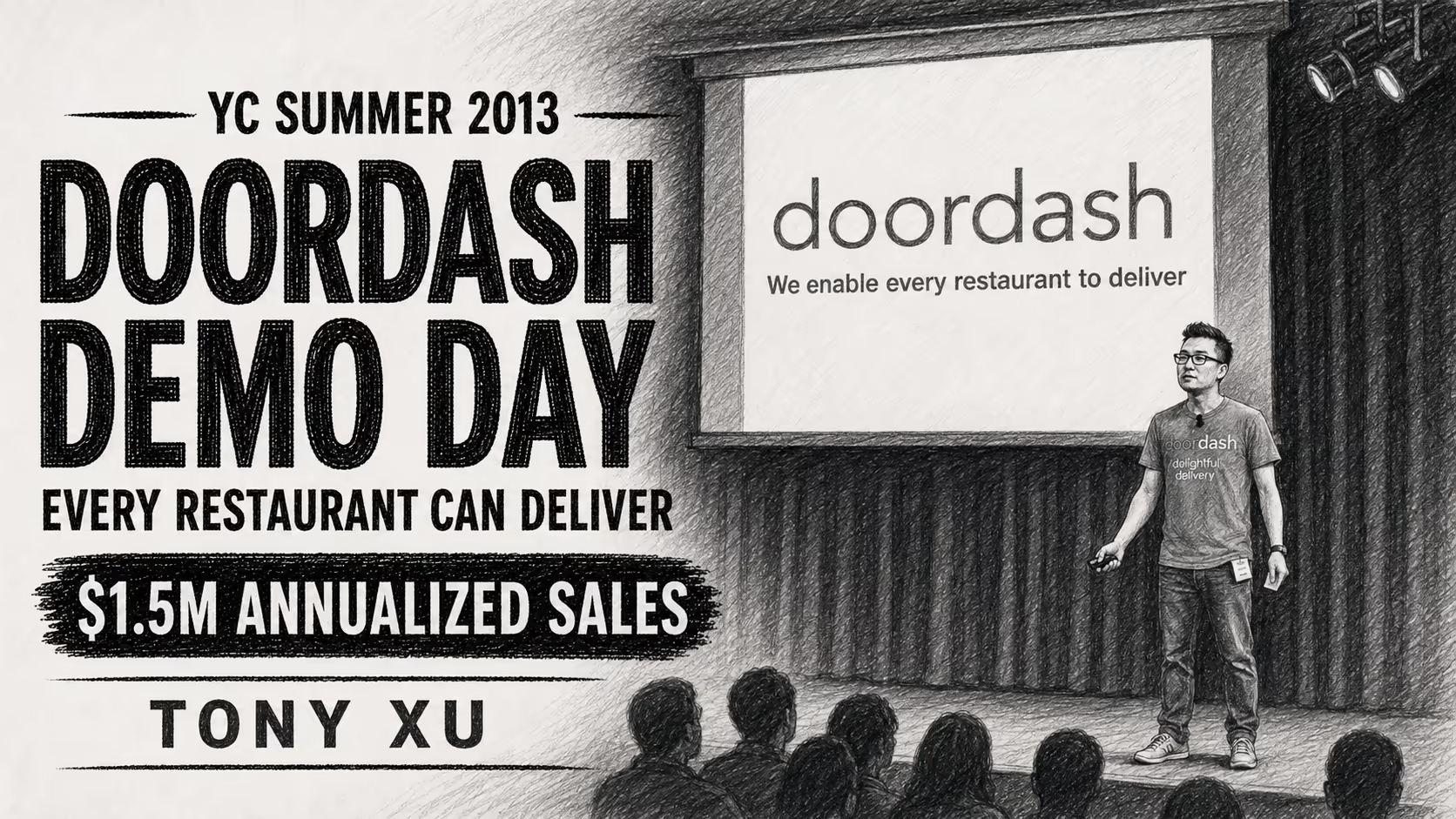
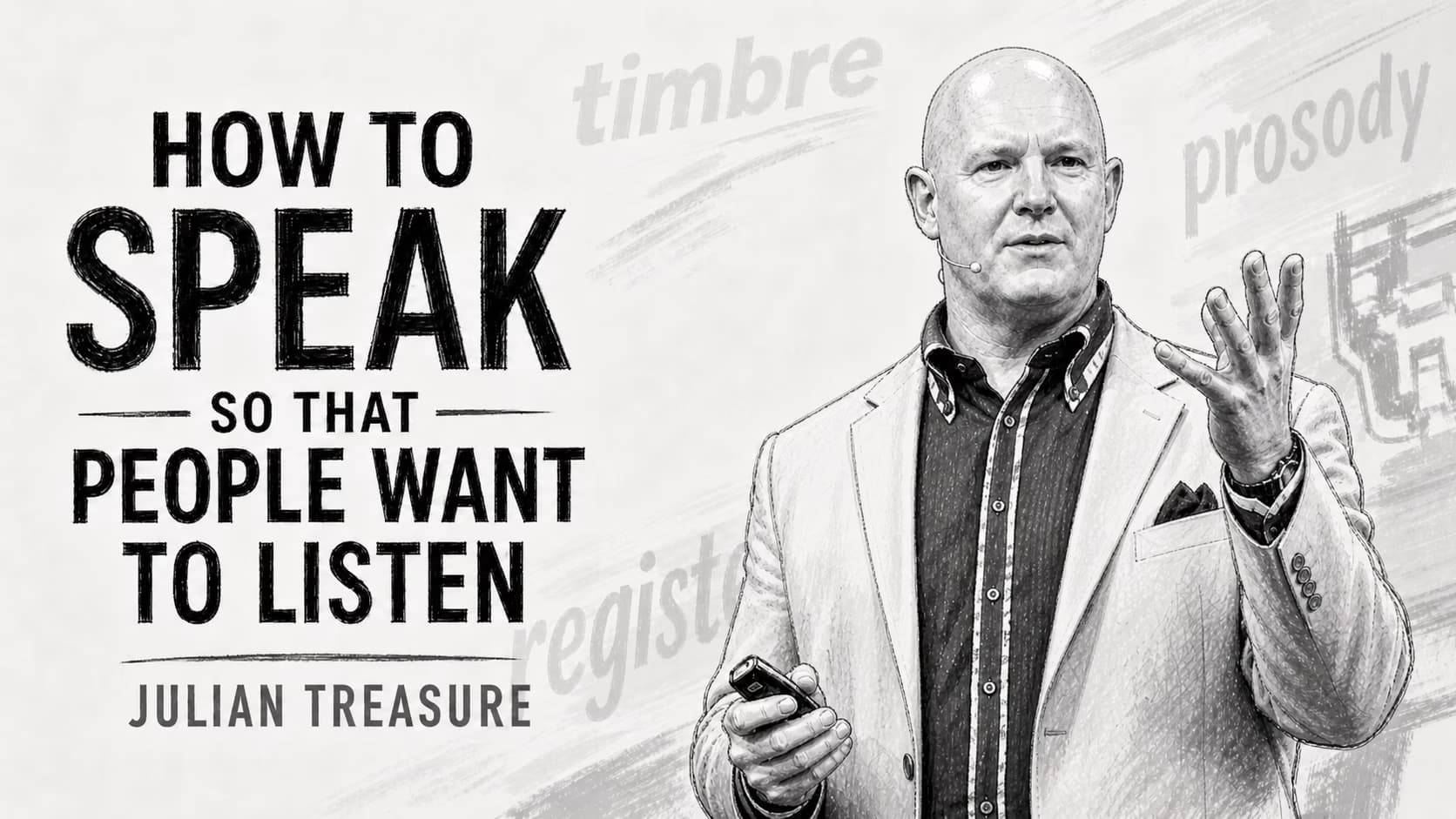
Pitches, world-champion talks, and TED stages, all broken down in full.

The comparison

Line by line

Rewrites your answer into a framework

speaking.app

Rewrites your answer into the framework that fits (STAR, PREP, SOAR, and more), with a before and after.

Poised

Coaches delivery and meeting behavior; does not rewrite your answer into a framework.

Rhetorical-device detection

speaking.app

Names the devices you used, like anaphora and the rule of three.

Poised

Coaches delivery and word-choice signals like hedging, but does not name the rhetorical devices you use.

Startup pitch analysis

speaking.app

Analyzes a spoken startup pitch element by element: hook, problem, solution, market, traction, business model, team, and the ask.

Poised

No built-in structural breakdown of a pitch; feedback stays at the delivery and meeting level.

Real-time vs recorded

speaking.app

Recorded, by design. You rehearse and review before the moment. Nothing joins your real calls.

Poised

Live nudges during real meetings, plus a post-call review with summaries and trends over time.

Roleplay or simulated partner

speaking.app

Built for solo rehearsal, not roleplay.

Poised

No AI roleplay; coaching happens in the meetings you already have.

Price and free tier

speaking.app

Free covers the basics: filler words, pace, and a transcript. Pro ($19.99/mo or $99.99/yr) adds rewrites, rhetoric, and pitch and speech analysis.

Poised

Free tier plus paid plans. See Poised for current pricing.

Poised is broader on live in-meeting coaching, post-call analytics, and team views for managers. speaking.app focuses on rehearsal, with feedback on delivery, structure, and rhetoric. Competitor details were reviewed July 2026 and may change.

The verdict

Pick the situation closest to yours

  • I have an investor pitch next week and the pitch itself needs workBest pick: speaking.app
  • I want my interview answers rewritten into STAR before the interviewBest pick: speaking.app
  • I want to practice from my phone, with nothing to installBest pick: speaking.app
  • I want discreet nudges during my real Zoom and Teams meetingsBest pick: Poised
  • I want feedback on talk time and interruptions in the meetings I already haveBest pick: Poised
  • I manage a sales team and want call trends across repsBest pick: Poised

Bottom line: Poised coaches you inside the meeting. speaking.app makes you better before it starts.

Common questions

Is speaking.app a good Poised alternative?

They do different jobs. Poised, now part of Deepgram, is a Mac and Windows desktop app that coaches you during real meetings; speaking.app is a practice room you use before them, in the browser on desktop or mobile. If the answer, pitch, or speech itself has to get better before the moment, speaking.app is the better fit. If you want discreet nudges inside the calls you already have, Poised is.

Does speaking.app join my real meetings like Poised does?

No, by design. Nothing joins your live calls, listens to your meetings, or gives you prompts while other people are speaking. You record a practice attempt on your own, get the analysis afterward, and keep the real conversation private.

What does speaking.app analyze that Poised does not?

speaking.app rewrites your spoken answer into a framework like STAR or PREP, names the rhetorical devices you used, and breaks down a spoken startup pitch element by element. It also flags uptalk. Poised focuses on live delivery and meeting behavior: filler words, pace, energy, talk time, interruptions, and meeting trends.

Can I use both speaking.app and Poised?

Yes, and they stack naturally. Rehearse the pitch or the answers in speaking.app until the structure holds, then let Poised nudge your delivery in the live meeting. One improves what you will say. The other steadies how you say it in the moment.

Does speaking.app have a free plan?

Yes, with no credit card. The free tier covers impromptu and interview practice with real feedback: filler words, pace, and a transcript. Pro is $19.99/mo or $99.99/yr and adds framework rewrites, rhetorical-device detection, full speech analysis, spoken startup-pitch analysis, and uploading existing recordings. Poised has a free tier plus paid plans; see their site for current details.

Keep exploring

More from speaking.app

Rehearse what you can't leave to chance.

Pick a prompt, record, and see what to sharpen in your delivery, structure, and rhetoric. Your first practice is free.

No credit card.