Um, basically your deck kind of explains the business. And your delivery, like, closes the round, I guess.
Your deck explains the business. Your delivery closes the round.
Choose a real interview question, record your answer, and see where it rambles or skips an important point. Compare it with a clearer version using frameworks such as STAR and PREP, then try the question again.
By continuing, you are 16+ and agree to our Terms and Privacy Policy.

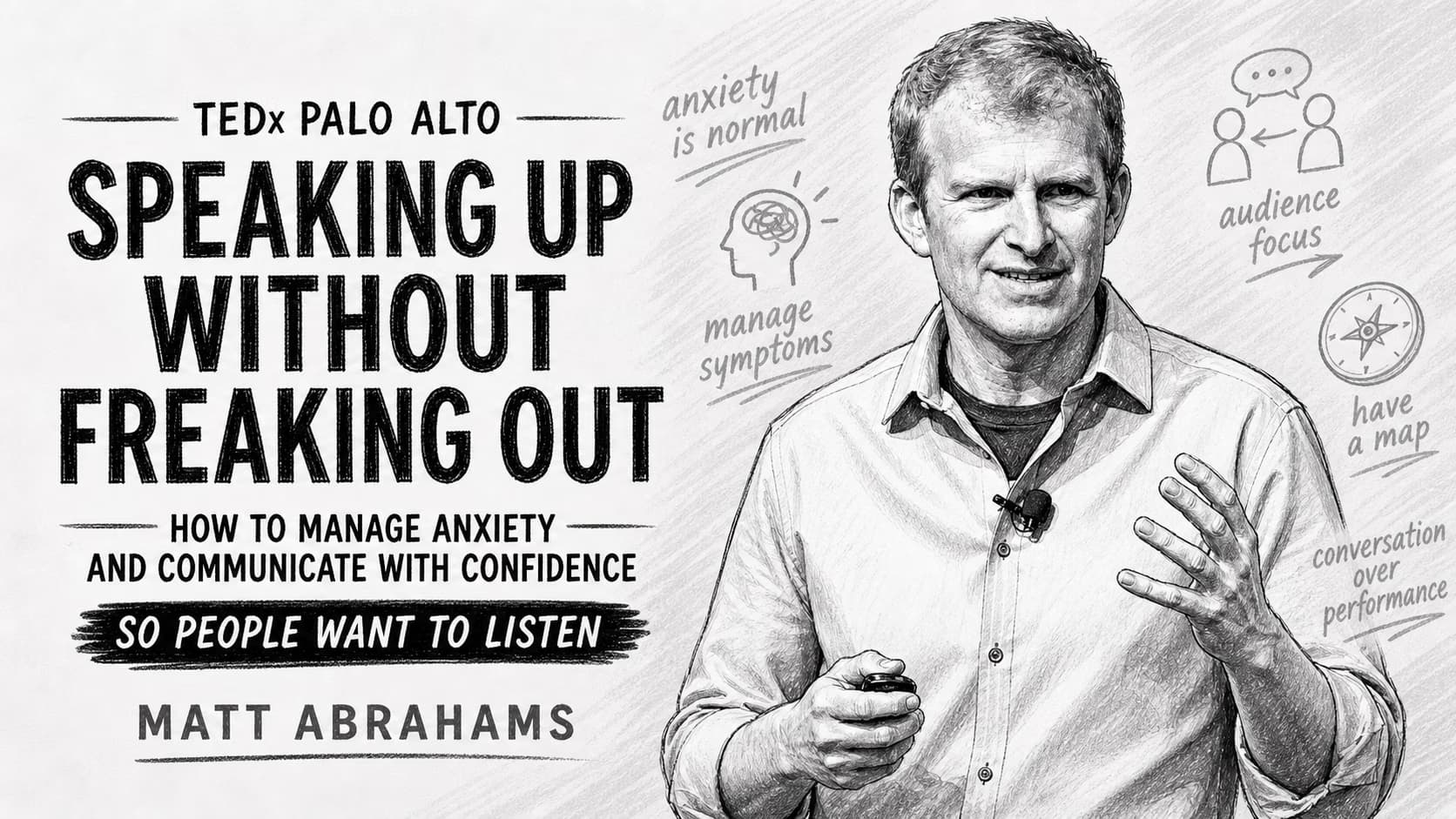
“Impressive and useful.”
Matt Abrahams
Lecturer, Stanford GSB · Host, Think Fast Talk Smart
See their analysis
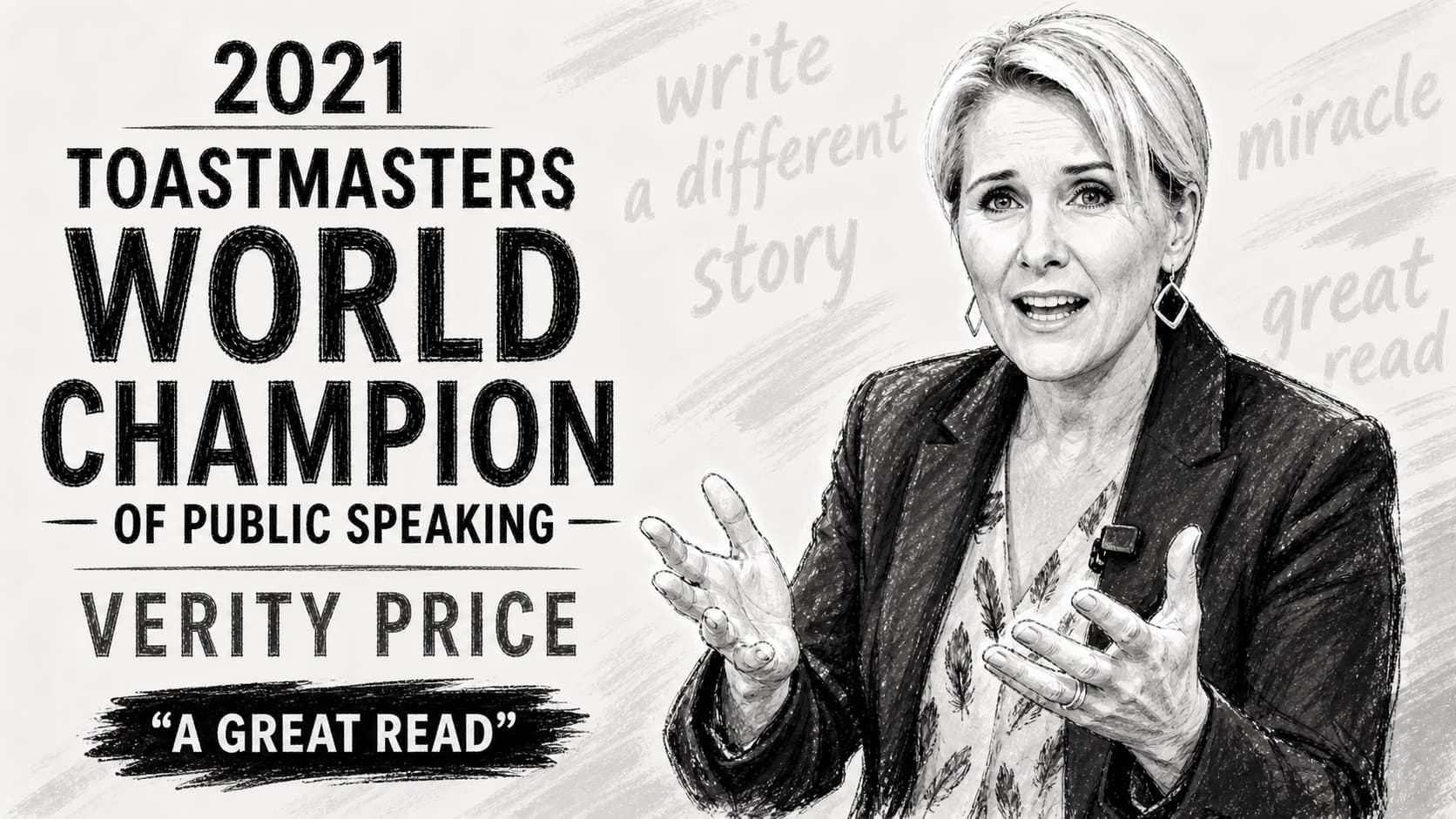
“I am so impressed with how much value this can give to people who want to level up their speaking and receive valuable feedback!”
Verity Price
2021 World Champion of Public Speaking
See their analysis
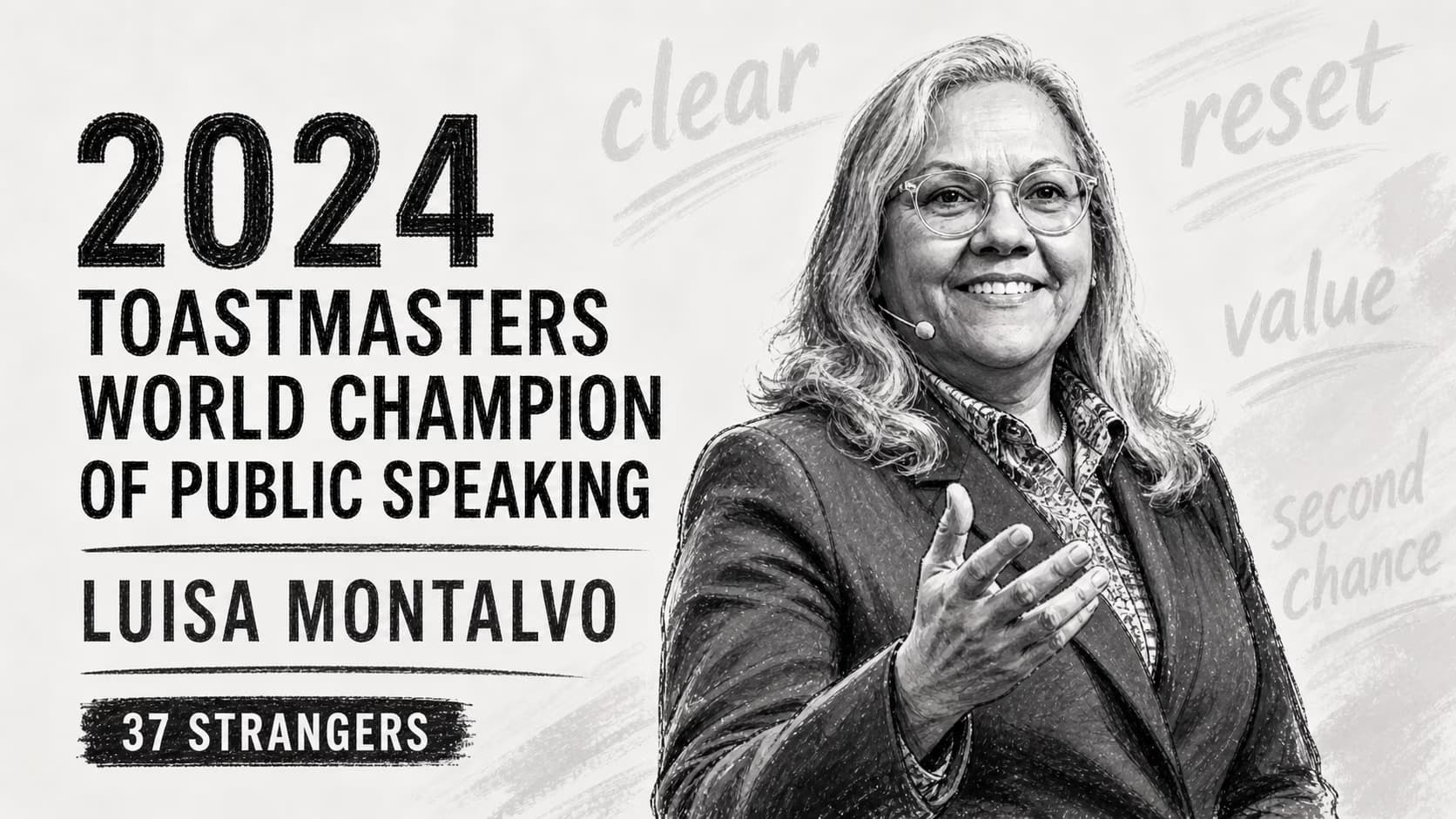
“I loved it and learned a lot!”
Luisa Montalvo
2024 World Champion of Public Speaking, Toastmasters
See their analysisSo I guess your resume, like, gets you in the room. And your delivery kind of gets you the job, I think.
Your resume gets you in the room. Your delivery gets you the job.
Give the answer you would give in the interview. The review then shows how it could fit a structure such as STAR and PREP.
Read the transcript beside a rewritten version so you can see what was removed, moved, or made more specific.
Practice privately and repeat the same question with one change at a time, such as a shorter setup or a clearer result.
See it in action
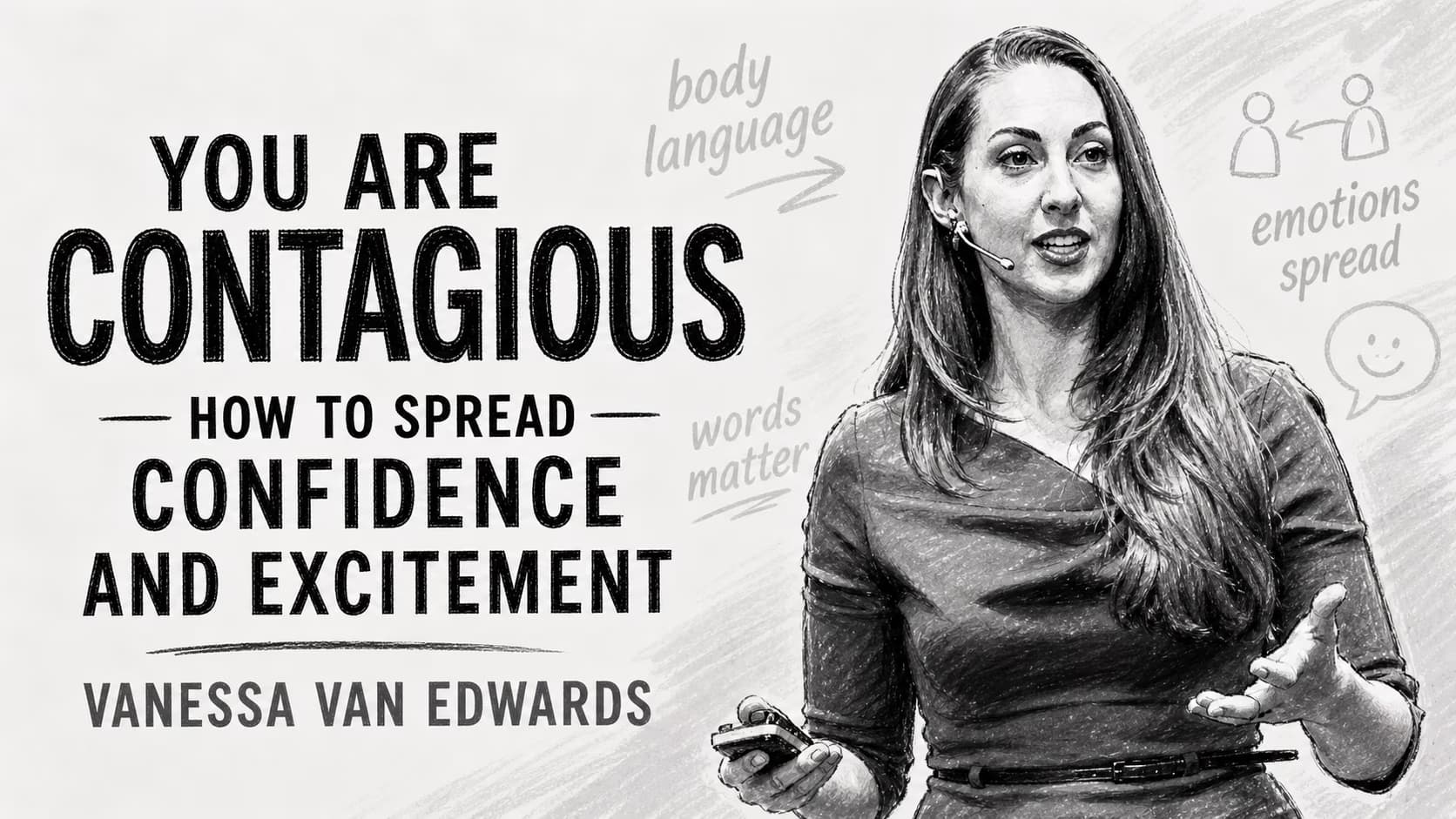
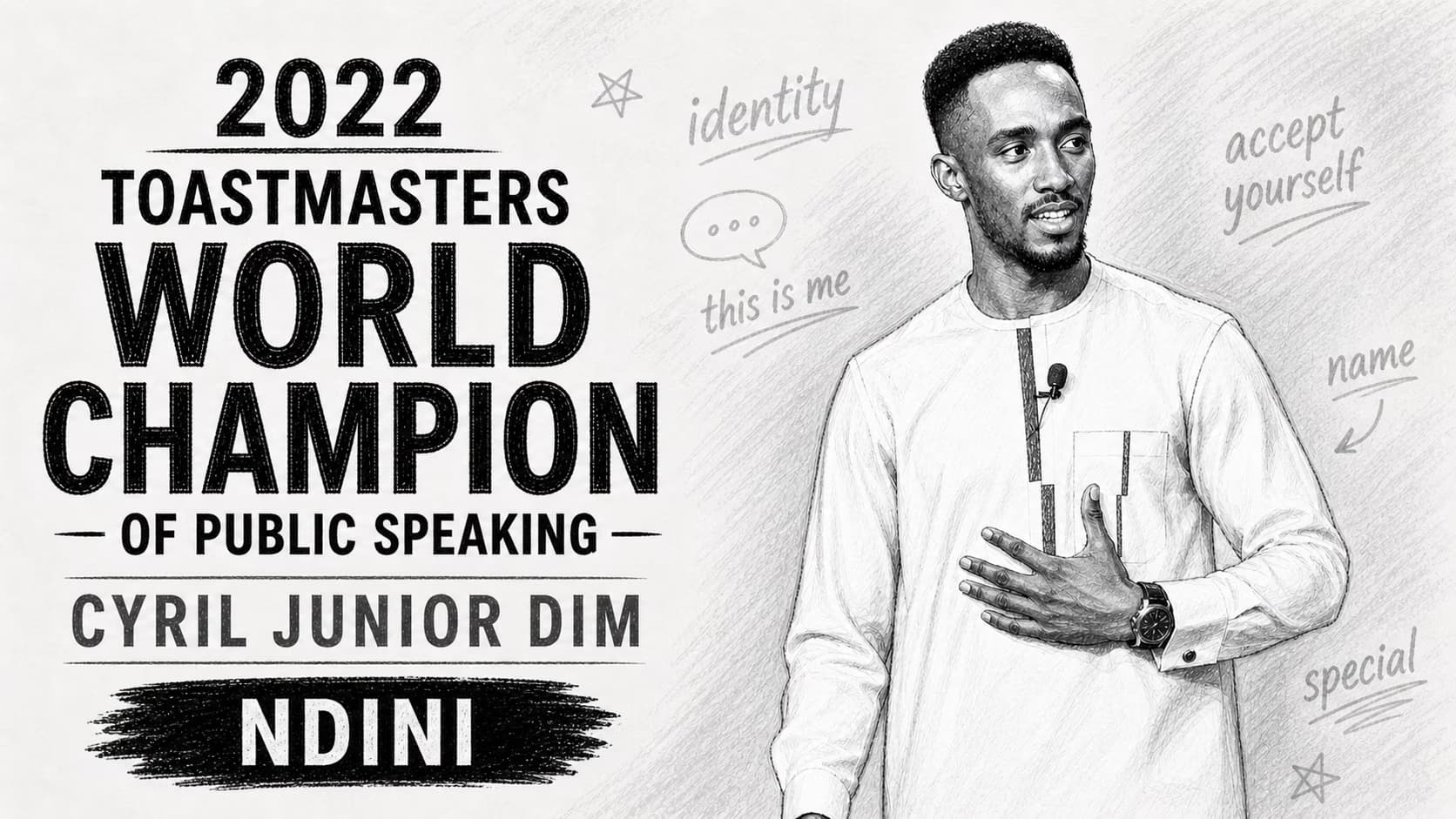
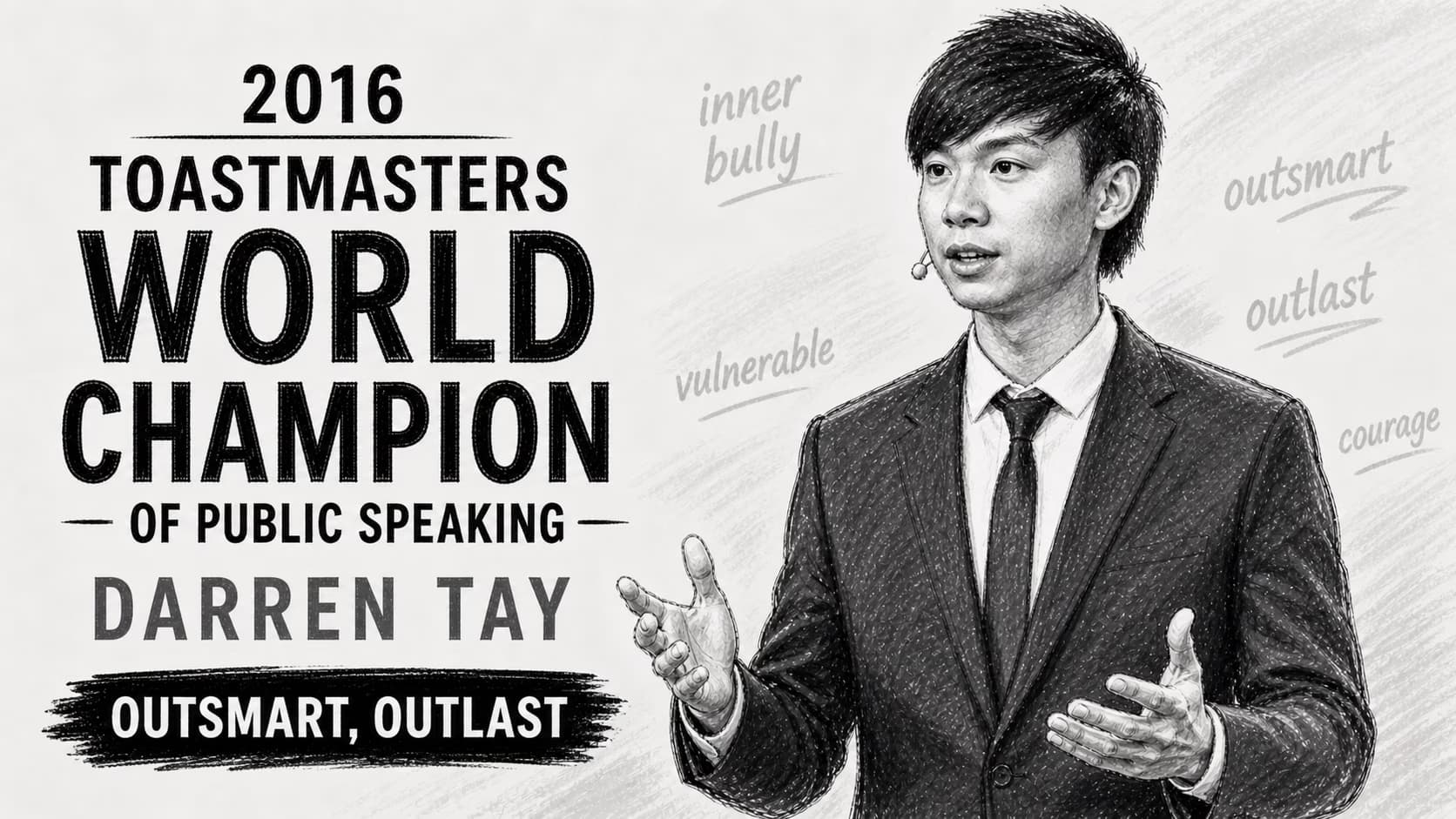
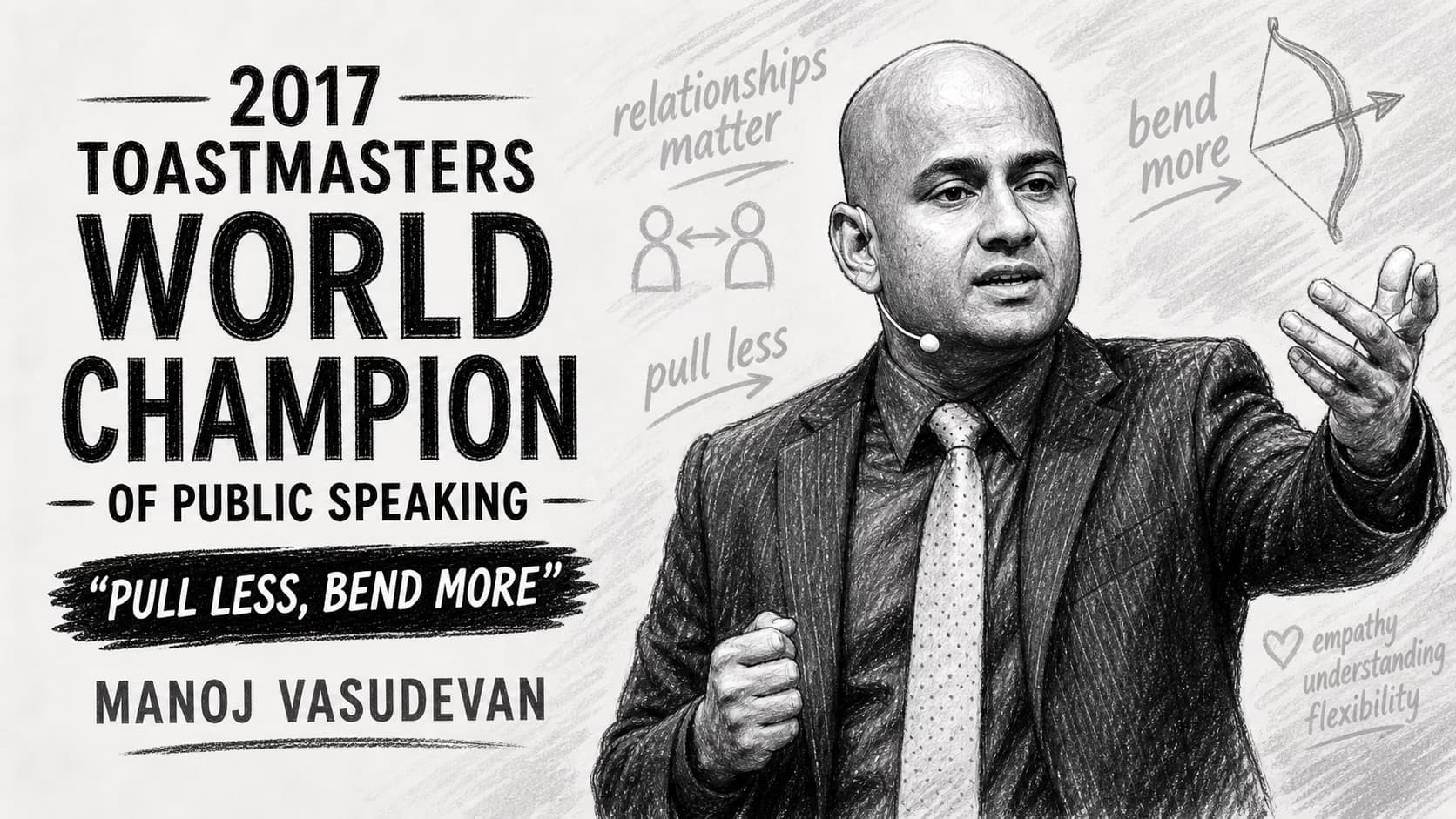
Every speech in the library runs through the same analysis your practice gets. Open one to see structure, pacing, and rhetoric.
Independent analyses of publicly available talks. Featured speakers are not affiliated with or endorsed by speaking.app.

“speaking.app was incredibly helpful while I was preparing pitches for my business. It is a great tool for anyone looking to improve their communication skills or practise for presentations, interviews, or public speaking.”
Mohammed Shoaib Malik
CEO & Co-founder, Locanter
“Impressive and useful.”

Matt Abrahams
Lecturer, Stanford GSB · Think Fast Talk Smart
“speaking.app helped me condense the way I speak and get the valuable information out.”

Eoin Quirke
Founder, TRACE Teams
“It was the least nervous I've ever felt pitching, despite it probably being the biggest audience I've pitched to. The constructive feedback I received helped me practise properly and know my pitch better than ever.”

Dan Goggin
Founder, LogUp
“It helped me turn a rough, jargon-heavy pitch into something much clearer and more compelling.”

Charlie Ward
Founder, Pay Path IQ
“I think the app is fantastic and we should have used it sooner.”

Robert Bordianu
Founder, IDV Exchange
“I am so impressed with how much value this can give to people who want to level up their speaking and receive valuable feedback!”

Verity Price
2021 World Champion of Public Speaking
“The rewritten version and the filler-word feedback were huge, they showed me exactly where I was using filler words and helped me cut them.”
Eoin Quirke
Founder, TRACE Teams
“I've pitched many times before, but speaking.app took my pitch to the next level. I felt more confident and polished on the day.”

Paul Murnane
Founder, DocuSmart AI
“Someone in the group said: 'Wow, your opening was so good.' I said, 'I got it from the speaking app.'”

Lynda Wilkes-Green
Founder, Ahlya
“The detail it went into was particularly impressive, with the WPM and Vocal Expression analysis.”

Mohammed Shoaib Malik
CEO & Co-founder, Locanter
“For the subscription fee, it was totally worth it.”
Charlie Ward
Founder, Pay Path IQ
“It did exactly what I needed for the showcase. I'd come back to it for another event and would refer other founders to it.”
Eoin Quirke
Founder, TRACE Teams
“The hard 3-min stop was annoying at first but such a good setup for me to cut excess out.”
Robert Bordianu
Founder, IDV Exchange
“I loved it and learned a lot!”

Luisa Montalvo
2024 World Champion of Public Speaking
“Off the back of how the pitch went, I was introduced to an investor, and I genuinely think that outcome was a direct result of the improvements I made through speaking.app.”
Charlie Ward
Founder, Pay Path IQ
“In the early stages I was also using the recommended adjustments verbatim while I was building out the flesh of my pitch, as I found them to be quite high quality.”
Mohammed Shoaib Malik
CEO & Co-founder, Locanter
Most interviews mix three buckets: behavioral ("tell me about a time"), situational ("how would you handle"), and role-specific or technical questions. Prepare two or three strong stories that can flex across the behavioral and situational categories, then drill the role-specific ones separately.
For experience questions, STAR works well: Situation, Task, Action, Result. For opinion or "why" questions, PREP fits better: Point, Reason, Example, Point. Pick the framework before you start talking so you have a path through the answer.
Behavioral questions ask for specific examples from your experience, so they are difficult to answer well without choosing and rehearsing relevant stories. They also test whether you can explain your role and the result clearly.
Reading explains what a good answer looks like. Practicing out loud surfaces the gap between knowing and doing. You will catch yourself rambling, skipping the result, or burying the lead in ways that silent prep never reveals.
There is no fixed number. Start with the questions most likely to come up, review each recording, and repeat the answers that are unclear or incomplete. Focused review matters more than recording a large number of answers.
By continuing, you are 16+ and agree to our Terms and Privacy Policy.